Rotary Central Margaret Sidney Hospital


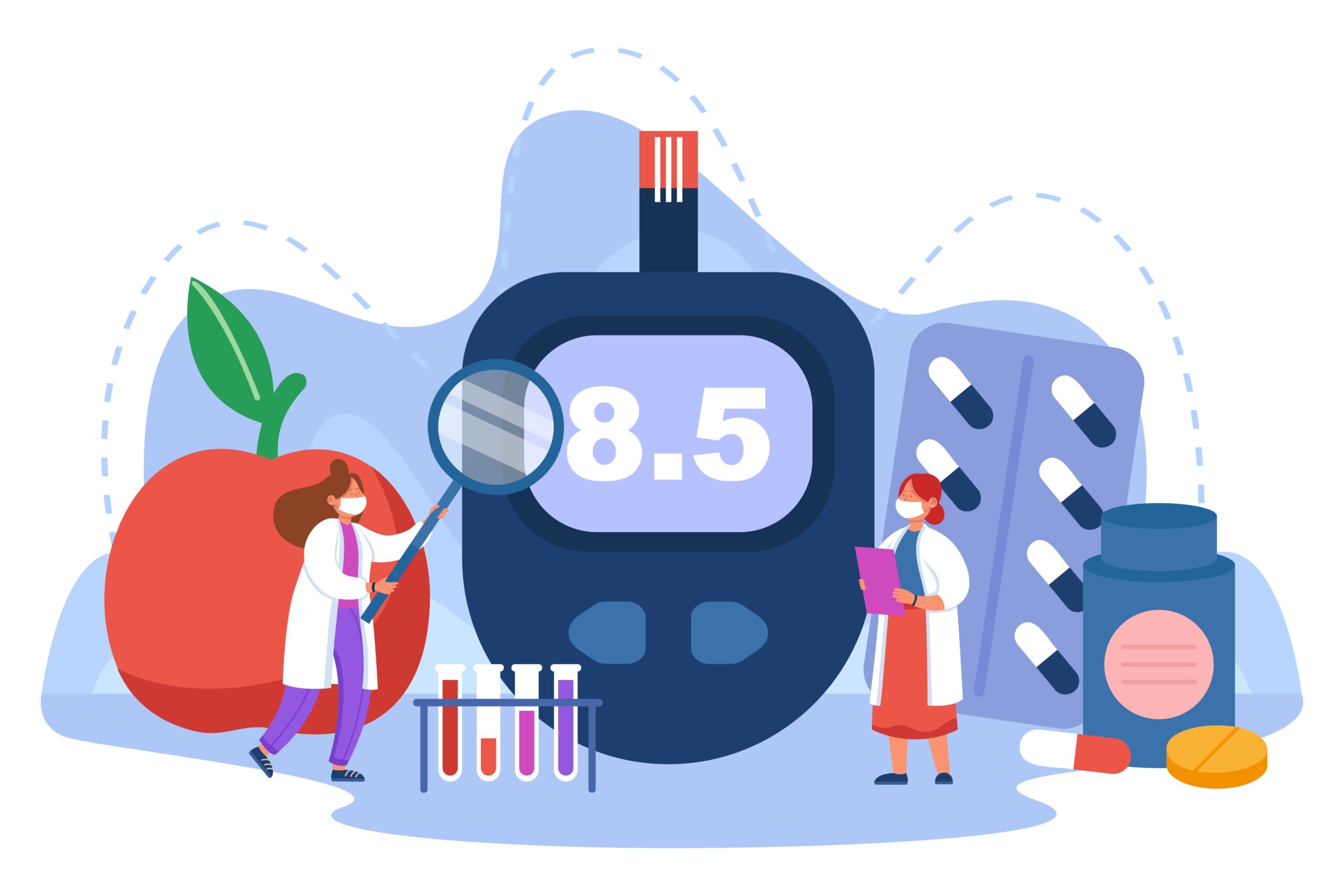
Diabetes, also known as diabetes mellitus, is a group of metabolic disorders characterized by a high blood sugar level (hyperglycemia) over a prolonged period of time. Symptoms often include frequent urination, increased thirst and increased appetite. If left untreated, diabetes can cause many health complications. Acute complications can include diabetic ketoacidosis, hyperosmolar hyperglycemic state, or death. Serious long-term complications include cardiovascular disease, stroke, chronic kidney disease, foot ulcers, damage to the nerves, damage to the eyes, and cognitive impairment.
Diabetes is due to either the pancreas not producing enough insulin, or the cells of the body not responding properly to the insulin produced. Insulin is a hormone which is responsible for helping glucose from food get into cells to be used for energy. There are three main types of diabetes mellitus:
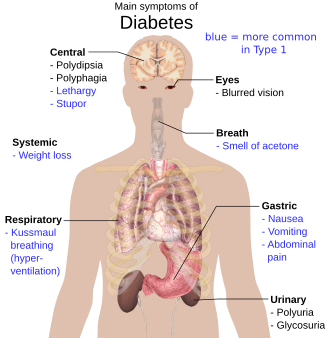
The classic symptoms of untreated diabetes are unintended weight loss, polyuria (increased urination), polydipsia (increased thirst), and polyphagia (increased hunger). Symptoms may develop rapidly (weeks or months) in type 1 diabetes, while they usually develop much more slowly and may be subtle or absent in type 2 diabetes.
Several other signs and symptoms can mark the onset of diabetes although they are not specific to the disease. In addition to the known symptoms listed above, they include blurred vision, headache, fatigue, slow healing of cuts, and itchy skin. Prolonged high blood glucose can cause glucose absorption in the lens of the eye, which leads to changes in its shape, resulting in vision changes. Long-term vision loss can also be caused by diabetic retinopathy. A number of skin rashes that can occur in diabetes are collectively known as diabetic dermadromes.
- Type 1 diabetes results from failure of the pancreas to produce enough insulin due to loss of beta cells. This form was previously referred to as “insulin-dependent diabetes mellitus” or “juvenile diabetes”. The loss of beta cells is caused by an autoimmune response. The cause of this autoimmune response is unknown. Although Type 1 diabetes usually appears during childhood or adolescence, it can also develop in adults.
- Type 2 diabetes begins with insulin resistance, a condition in which cells fail to respond to insulin properly. As the disease progresses, a lack of insulin may also develop. This form was previously referred to as “non insulin-dependent diabetes mellitus” or “adult-onset diabetes”. Type 2 diabetes is more common in older adults, but a significant increase in the prevalence of obesity among children has led to more cases of type 2 diabetes in younger people. The most common cause is a combination of excessive body weight and insufficient exercise.
- Gestational diabetes is the third main form, and occurs when pregnant women without a previous history of diabetes develop high blood sugar levels. In women with gestational diabetes, blood sugar usually returns to normal soon after delivery. However, women who had gestational diabetes during pregnancy have a higher risk of developing type 2 diabetes later in life.
Signs and symptoms

Overview of the most significant symptoms of diabetes
Diabetic emergencies
People with diabetes (usually but not exclusively in type 1 diabetes) may also experience diabetic ketoacidosis (DKA), a metabolic disturbance characterized by nausea, vomiting and abdominal pain, the smell of acetone on the breath, deep breathing known as Kussmaul breathing, and in severe cases a decreased level of consciousness. DKA requires emergency treatment in hospital. A rarer but more dangerous condition is hyperosmolar hyperglycemic state (HHS), which is more common in type 2 diabetes and is mainly the result of dehydration caused by high blood sugars. Treatment-related low blood sugar (hypoglycemia) is common in people with type 1 and also type 2 diabetes depending on the medication being used. Most cases are mild and are not considered medical emergencies. Effects can range from feelings of unease, sweating, trembling, and increased appetite in mild cases to more serious effects such as confusion, changes in behavior such as aggressiveness, seizures, unconsciousness, and rarely permanent brain damage or death in severe cases. Rapid breathing, sweating, and cold, pale skin are characteristic of low blood sugar but not definitive. Mild to moderate cases are self-treated by eating or drinking something high in rapidly absorbed carbohydrates. Severe cases can lead to unconsciousness and must be treated with intravenous glucose or injections with glucagon.


Diagnosis and Treatment
Gravida in fusce auctor conubia pretium efficitur massa vehicula senectus ex

Find a Doctor
Gravida in fusce auctor conubia pretium efficitur massa vehicula senectus ex

Clinical Trials
Gravida in fusce auctor conubia pretium efficitur massa vehicula senectus ex

Make an Appointment
Gravida in fusce auctor conubia pretium efficitur massa vehicula senectus ex
